SOC 2 Vendor Management Policy: A Complete SMB Guide
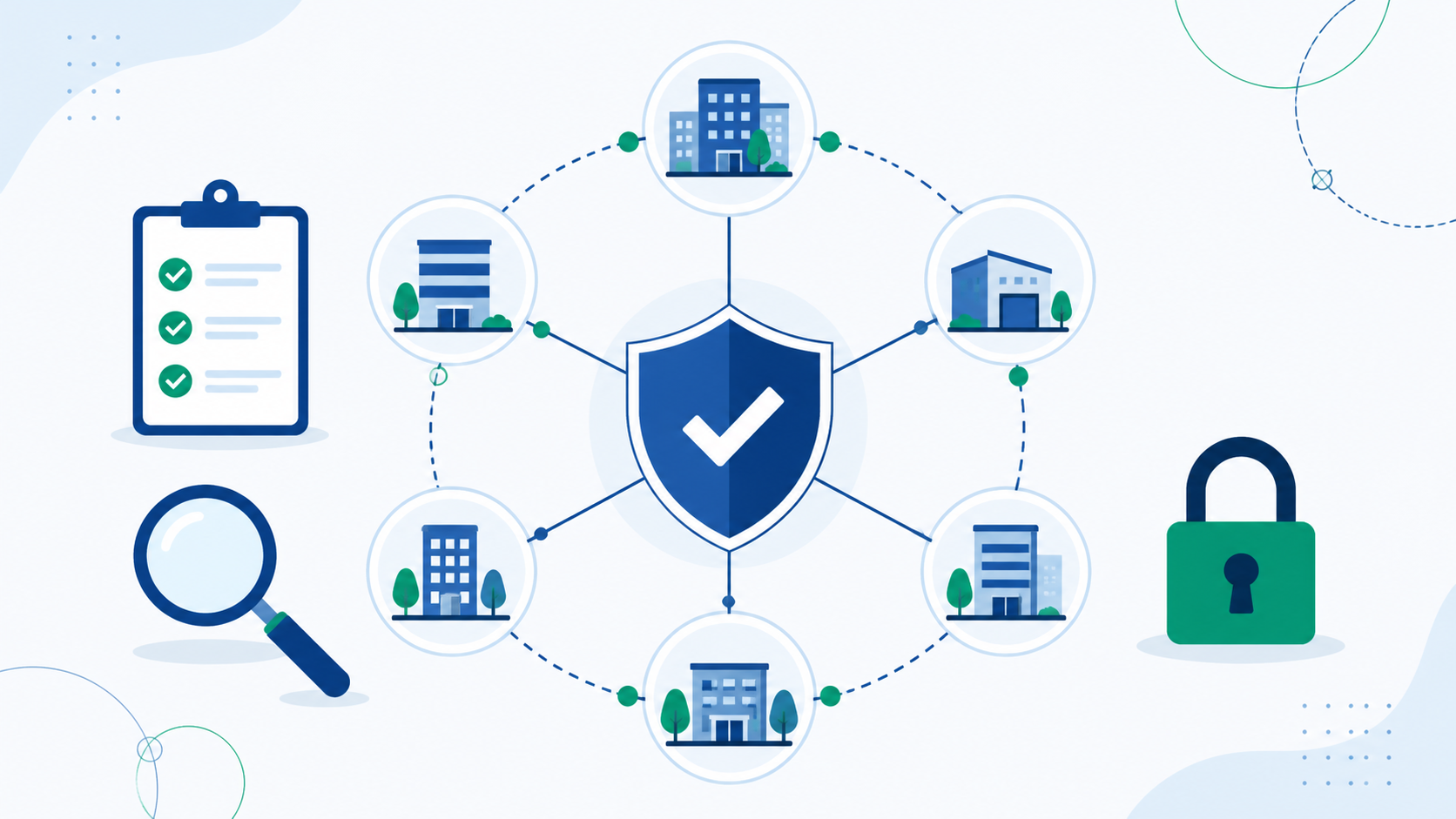
A well-crafted SOC 2 vendor management policy is one of the most overlooked — and most audited — components of a successful SOC 2 examination. For SMBs that rely on third-party SaaS tools, cloud infrastructure providers, and outsourced services, failing to document and enforce vendor oversight can derail an otherwise solid compliance program. This guide breaks down exactly what your policy needs to cover, how auditors evaluate it, and how to build a scalable process without a dedicated compliance team.
Why Vendor Management Matters for SOC 2 Compliance
SOC 2 is built around the AICPA's Trust Services Criteria (TSC), and vendor risk sits squarely within the Common Criteria — specifically CC9.2, which requires organizations to assess and monitor the risks associated with vendors and business partners. Auditors don't just want to see a list of your vendors; they want evidence of a repeatable, documented process for evaluating, onboarding, and continuously monitoring every third party that touches your systems or data.
For SMBs, this is particularly challenging. You may be using dozens of SaaS tools — Slack, AWS, Stripe, Salesforce, Zendesk — each of which represents a potential risk vector. Without a formal policy, you have no defensible answer when an auditor asks: "How do you know your vendors are protecting your customers' data?"
The Real Risk: Inherited Liability
When a vendor suffers a breach or compliance failure, your customers don't distinguish between your systems and your vendor's systems. Under SOC 2, you are responsible for the risks your vendors introduce. This means your SOC 2 vendor management policy isn't just a compliance checkbox — it's a genuine risk management tool that protects your business and your customers.
Core Components of a SOC 2 Vendor Management Policy
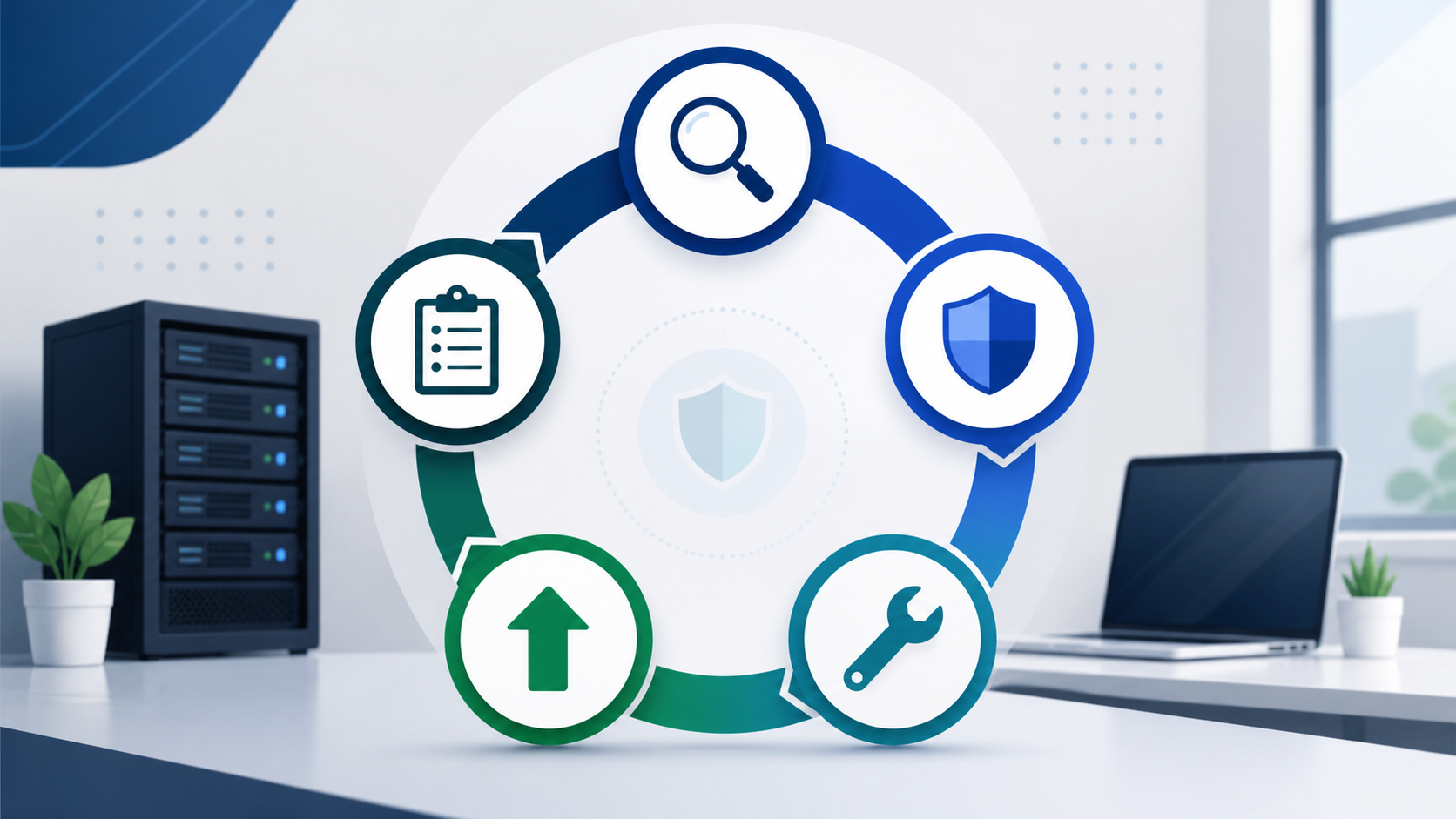
A policy that satisfies SOC 2 auditors and actually reduces risk needs to address the full vendor lifecycle. Below are the essential sections every SMB should include.
1. Vendor Classification and Risk Tiering
Not all vendors carry the same risk. A vendor with access to production databases is fundamentally different from a vendor that handles your office coffee delivery. Your policy should establish a tiering framework — typically three levels — based on the sensitivity of data accessed and the criticality of the service provided.
| Tier | Description | Examples | Review Frequency |
|---|---|---|---|
| Tier 1 – Critical | Access to sensitive customer data or core infrastructure | AWS, Snowflake, Salesforce | Annually + on material change |
| Tier 2 – Moderate | Limited data access or indirect system integration | Slack, Zoom, HubSpot | Annually |
| Tier 3 – Low | No access to sensitive data or systems | Office supplies, catering | Every 2–3 years |
Defining these tiers upfront allows your team to allocate due diligence effort proportionally, which is both practical for SMBs with limited resources and defensible to auditors.
2. Vendor Onboarding and Due Diligence Requirements
Before any vendor is approved, your policy should require a structured due diligence process. For Tier 1 vendors, this typically includes:
- Reviewing the vendor's most recent SOC 2 Type II report (or equivalent, such as ISO 27001 certification)
- Completing a vendor security questionnaire aligned to your risk criteria
- Confirming the vendor has a documented incident response and breach notification process
- Verifying data processing agreements (DPAs) and data subprocessor disclosures are in place
- Assessing the vendor's business continuity and disaster recovery capabilities
For Tier 2 vendors, a lighter-touch review — such as confirming the existence of a security policy and reviewing publicly available compliance certifications — is generally acceptable. The NIST SP 800-161 Cybersecurity Supply Chain Risk Management framework provides excellent guidance on structuring these assessments, even for organizations outside the federal space.
3. Contractual Requirements and Data Processing Agreements
Your policy must specify the minimum contractual protections required before a vendor relationship is formalized. At minimum, contracts with Tier 1 and Tier 2 vendors should include:
- Data Processing Agreements (DPAs): Clearly defining the scope of data processing, retention limits, and deletion obligations
- Security requirements: Minimum encryption standards, access controls, and incident notification timelines (typically 72 hours or less)
- Audit rights: The right to request updated SOC 2 reports or conduct security assessments
- Subprocessor disclosure: Requirement for the vendor to notify you of any changes to their own subprocessors
- Termination and data return/destruction clauses: Ensuring data is returned or securely destroyed upon contract termination
If your organization handles personal data of EU residents, these contractual requirements also intersect with GDPR obligations under Article 28, which mandates written contracts with all data processors. Aligning your SOC 2 vendor policy with GDPR requirements simultaneously reduces duplication of effort.
4. Ongoing Monitoring and Annual Review
Onboarding due diligence is only the beginning. SOC 2 auditors will look for evidence that vendor risk is monitored continuously — not just at the point of initial approval. Your policy should define:
- A schedule for collecting updated SOC 2 reports or certifications from Tier 1 vendors (at least annually)
- A process for reviewing vendor security incident notifications and assessing their impact on your environment
- Triggers for out-of-cycle reviews, such as a vendor breach, significant product change, or acquisition
- A vendor inventory that is reviewed and updated at least quarterly
One of the most common audit findings for SMBs is a vendor inventory that is either incomplete or hasn't been reviewed in over a year. Maintaining a living vendor register — with tier classifications, last review dates, and contract expiration dates — is essential evidence for your auditor.
5. Vendor Offboarding
Terminating a vendor relationship carries its own compliance obligations. Your policy should require:
- Revoking all access credentials and API keys within a defined timeframe (typically 24–48 hours of termination)
- Confirming data deletion or return per contractual terms
- Removing the vendor from your authorized vendor inventory
- Documenting the offboarding in your vendor management system for audit evidence
Building Your SOC 2 Vendor Management Policy: Practical Steps for SMBs
Writing the policy is only half the battle. The harder part is operationalizing it in a way that doesn't require a full-time compliance team. Here's a practical roadmap:
- Conduct a vendor discovery exercise. Pull a complete list of all software, services, and contractors your organization uses. Many SMBs are surprised to find 40–80 active vendor relationships when they do this for the first time.
- Classify each vendor by tier. Apply your tiering criteria and document the rationale for each classification.
- Identify gaps in existing contracts. Review current agreements against your minimum contractual requirements and prioritize remediation for Tier 1 vendors.
- Build a vendor review calendar. Schedule annual reviews for Tier 1 and Tier 2 vendors and assign ownership to specific team members.
- Create standardized templates. Develop a vendor security questionnaire, a DPA template, and an onboarding checklist that can be reused for every new vendor.
- Automate where possible. Manual tracking in spreadsheets is error-prone and difficult to evidence during an audit. Compliance automation platforms can dramatically reduce the operational burden.
Platforms like ComplyGuard are specifically designed to help SMBs manage this complexity — automating vendor inventory tracking, sending renewal reminders, and generating audit-ready evidence without requiring a dedicated compliance team.
Common Mistakes SMBs Make with Vendor Management Under SOC 2
Understanding where organizations typically fall short can help you avoid the same pitfalls:
- Treating vendor management as a one-time exercise. Auditors look for evidence of ongoing monitoring, not just an initial assessment completed before the audit window.
- Failing to collect SOC 2 reports from subprocessors. If your cloud provider uses subprocessors that handle your data, you need visibility into their compliance posture too.
- Using generic security questionnaires. Questionnaires should be tailored to the type of data and access involved. A generic questionnaire sent to every vendor signals a lack of genuine risk assessment.
- No documented approval process. Your policy should specify who has authority to approve new vendors and what sign-off is required before a vendor is onboarded.
- Ignoring open-source and free tools. Many SMBs overlook free SaaS tools or open-source components that still process or store sensitive data and should be included in the vendor inventory.
How Auditors Evaluate Your SOC 2 Vendor Management Policy
During a SOC 2 Type II audit, your auditor will test vendor management controls over the entire audit period — typically 6 to 12 months. They will look for:
- A written, approved vendor management policy that has been communicated to relevant staff
- A complete and current vendor inventory with risk tier classifications
- Evidence of due diligence for vendors onboarded during the audit period (questionnaires, SOC 2 reports reviewed, DPAs executed)
- Evidence of annual reviews for existing Tier 1 and Tier 2 vendors
- Documentation of any vendor incidents and how they were assessed and addressed
- Evidence of vendor offboarding for any terminated relationships during the period
The key word is evidence. A policy document alone is not sufficient — auditors need to see that the policy was actually followed. This is why documentation and automation are so critical. If you're evaluating compliance tools to help build this evidence trail, compare ComplyGuard's approach to traditional manual methods to understand the difference in audit readiness.
For organizations that want to understand the full scope of SOC 2 requirements before engaging an auditor, the AICPA's official SOC 2 resources are the authoritative starting point.
Conclusion
A robust SOC 2 vendor management policy is not a bureaucratic formality — it's a foundational control that protects your customers, reduces your liability, and demonstrates to prospects and partners that you take security seriously. For SMBs, the challenge is building a process that is thorough enough to satisfy auditors but lean enough to operate without a dedicated compliance team. By establishing clear vendor tiers, standardizing due diligence, enforcing contractual minimums, and maintaining ongoing monitoring, you can build a vendor management program that holds up under scrutiny and scales with your business.
ComplyGuard was built specifically to make this kind of compliance work manageable for growing businesses. From automated vendor tracking and evidence collection to policy templates aligned with SOC 2 Trust Services Criteria, our platform helps you achieve audit readiness in a fraction of the time — and at a fraction of the cost of traditional consulting. Explore ComplyGuard's pricing to find the right plan for your team, or talk to a compliance specialist today to see how we can help you build a vendor management program that passes your next SOC 2 audit with confidence.